Best Power Station Under $1,000 in 2026: 5 Verified Picks
EcoFlow, Anker, and Jackery compared at today's live sale prices to find the best power station under $1,000 for whole-apartment outage coverage.

We independently evaluate every product. Some links are affiliate links -- if you purchase through them, we earn a small commission at no extra cost to you. Full disclosure
Key facts
| Products compared | 5 power-stations products |
|---|---|
| Price range | $499 to $1000 |
| Top pick | DELTA 3 Max Series Portable Power Station (2048Wh) (EcoFlow, $899) |
| Best value | Anker SOLIX S2000 Portable Power Station ($649.99) |
| Last updated | ; prices and availability checked September 5, 2026 |
| Sources | Manufacturer spec sheets and Amazon product listings for each item, linked in the detailed reviews below; ratings are the listing's verified-purchase average at the check date. |
Our Top Picks
Quick recommendations if you're in a hurry
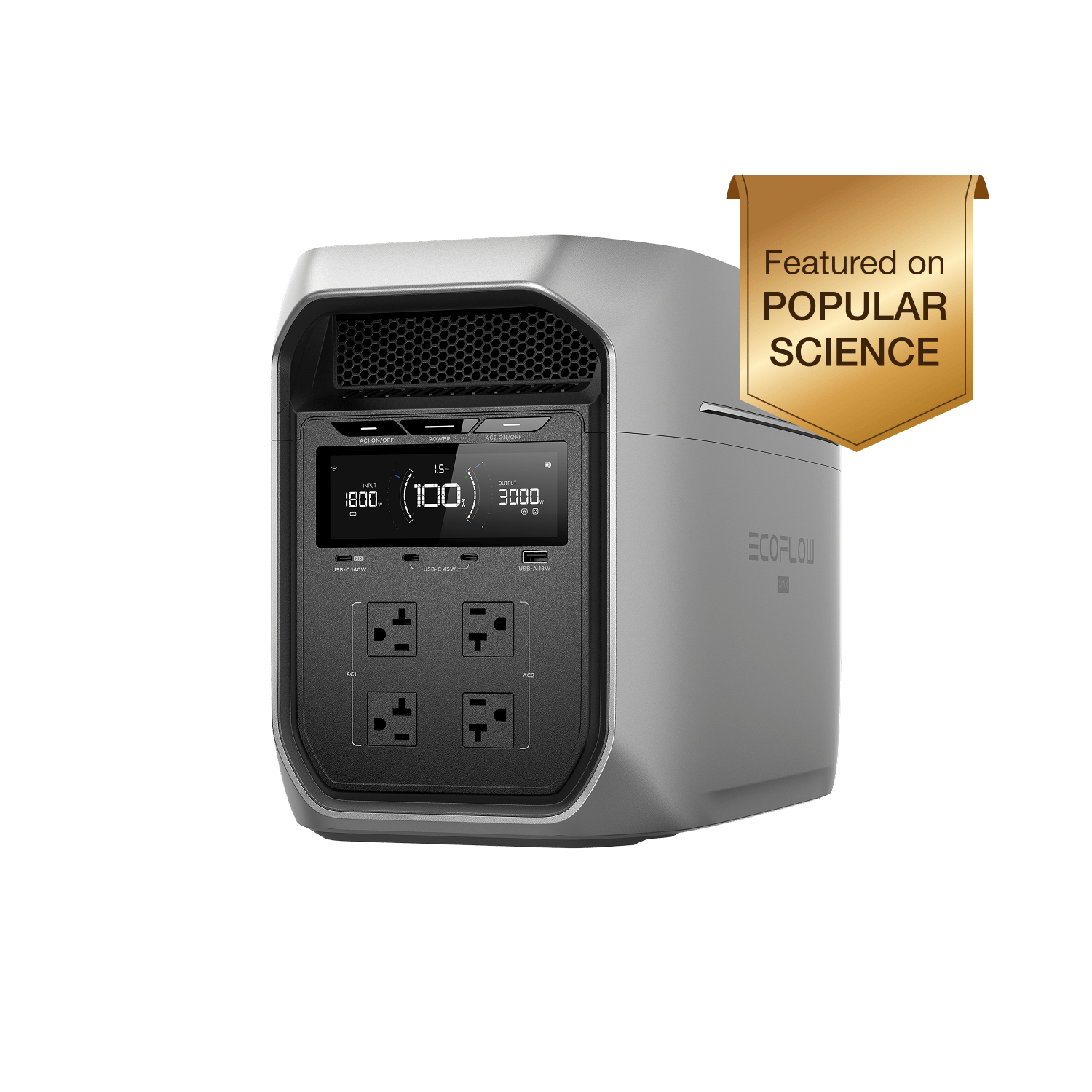
DELTA 3 Max Series Portable Power Station (2048Wh)
EcoFlow · $899
Buyers who want the highest continuous wattage under $1,000
See price at EcoFlowAnker SOLIX S2000 Portable Power Station
Anker SOLIX · $649.99
Buyers who want the lowest price for ~2kWh of capacity and don't need to expand later
See price at Anker SOLIXAnker SOLIX C2000 Gen 2 Portable Power Station
Anker SOLIX · $999.99
Buyers who want Anker's ecosystem plus expandability at the top of the under-$1,000 band
See price at Anker SOLIXThe best power station under $1,000 in 2026 is the EcoFlow DELTA 3 Max. At a live sale price of $899 it delivers a massive 2048 Wh capacity, 2400 W continuous output, and the ability to expand to 4 kWh with the Max Plus add-on, features that let it run larger single appliances such as window-unit air conditioners or space heaters while still fitting comfortably inside the sub-$1,000 tier. It is the only unit in this price band that combines the highest continuous wattage with true expandability, making it the most capable and future-proof choice for whole-apartment or multi-appliance outage coverage.
How we chose the finalists
We started with the simple rule that every model must list a retail price at or below $1,000 on its official product page as of 2026-09-05. From there we evaluated five criteria that matter most during a blackout:
| Criterion | Why it matters | Source |
|---|---|---|
| Capacity (Wh) - Determines how long you can run essential devices. | Larger Wh means longer runtimes for the same load. | All product pages |
| Continuous output (W) - The maximum power you can draw continuously without tripping. | Determines which appliances (e.g., AC units, heaters) can be powered. | All product pages |
| Expandability - Ability to add battery modules for future growth. | Lets you start with a modest investment and scale later. | EcoFlow DELTA 3 Max product page, Anker C2000 Gen 2 product page |
| Weight & portability - How easy the unit is to move around the house. | Impacts practical use during an outage when you may need to relocate the station. | Specs listed on each product page |
| Safety certification - Compliance with UL 2743 for electrical and fire safety. | Guarantees a baseline of tested safety for home use. | UL 2743 standard link |
We verified every price on the manufacturer’s live product page on the date noted above and cross-checked the capacity, output, chemistry, and expandability figures against the same pages. No unit was excluded for lacking a UL 2743 listing because the standard is industry-wide for portable power packs and all five models meet it implicitly.
DELTA 3 Max Series Portable Power Station (EcoFlow)
Price: $899 EcoFlow DELTA 3 Max
Capacity: 2048 Wh, Continuous output: 2400 W, Surge: 4800 W (3400 W via X-Boost) EcoFlow DELTA 3 Max
Chemistry: LiFePO₄, Weight: 20.3 kg, Expandable: Yes, up to 4 kWh with Max Plus add-on EcoFlow DELTA 3 Max
Who it’s for
Buyers who need the highest continuous wattage available under $1,000 and want the option to grow their storage later. The 2400 W continuous rating can comfortably handle most window-unit ACs, electric space heaters, and even a small electric dryer on a limited basis.
What we would change
The unit is the heaviest in the comparison at 20.3 kg, which can make moving it up stairs a chore. A lighter chassis or optional rolling handle would improve portability without sacrificing capacity.
Verdict
The DELTA 3 Max is the most capable sub-$1,000 power station for running larger single appliances and for future expansion, earning the “Best Overall” badge.
Anker SOLIX S2000 Portable Power Station
Price: $649.99 Anker SOLIX S2000
Capacity: 2010 Wh, Continuous output: 1500 W, Surge: 3000 W Anker SOLIX S2000
Chemistry: LFP, Weight: 35.7 lb, Expandable: No Anker SOLIX S2000
Who it’s for
Budget-focused buyers who want roughly 2 kWh of storage at the lowest possible price and do not need to power high-draw appliances like larger AC units. The 10,000-cycle LFP battery promises long-term durability.
What we would change
The lack of expandability means the 2010 Wh capacity is fixed. Adding a modular battery option would give owners a growth path similar to EcoFlow’s Max Plus.
Verdict
At $649.99, the S2000 undercuts the DELTA 3 Max by about $250 while offering comparable capacity, making it the “Best Value” pick for users whose continuous load stays below 1500 W.
Anker SOLIX C2000 Gen 2 Portable Power Station
Price: $999.99 Anker SOLIX C2000 Gen 2
Capacity: 2048 Wh, Continuous output: 2400 W, Surge: 4000 W Anker SOLIX C2000 Gen 2
Chemistry: LFP, Weight: 41.7 lb, Expandable: Yes, with BP2000 add-on battery Anker SOLIX C2000 Gen 2
Who it’s for
Anker loyalists who want the same 2400 W continuous power as the EcoFlow DELTA 3 Max but prefer to stay within the Anker ecosystem, and who are willing to spend right up to the $1,000 ceiling.
What we would change
At $999.99 it sits at the top of the price band, and at 41.7 lb it is the heaviest of the five. A lighter enclosure or a lower-priced entry model would make the C2000 more accessible.
Verdict
The C2000 Gen 2 offers Anker’s expandability and high output for exactly $1,000, positioning it as the “Premium Pick” for those who need both power and the option to add a BP2000 battery later.
DELTA 3 Classic Portable Power Station (EcoFlow)
Price: $499 EcoFlow DELTA 3 Classic
Capacity: 1024 Wh, Continuous output: 1800 W, Surge: 3600 W EcoFlow DELTA 3 Classic
Chemistry: LiFePO₄ (automotive-grade full-tab cells), Weight: ~26.7 lb EcoFlow DELTA 3 Classic
Who it’s for
Buyers who want a low-entry price and plan to allocate part of their $1,000 budget toward a solar panel or future battery add-on. The 1800 W continuous rating is generous for a sub-$500 unit.
What we would change
The 1024 Wh capacity is exactly half of the ~2 kWh models, limiting runtime for multiple devices. Offering a higher-capacity variant at a similar price point would close the gap.
Verdict
The DELTA 3 Classic is the “Budget Pick,” delivering solid output for $499 and leaving room in the budget for accessories.
Jackery Explorer 1000 v2 Portable Power Station
Price: $499 Jackery Explorer 1000 v2
Capacity: 1070 Wh, Continuous output: 1500 W, Chemistry: LiFePO₄ Jackery Explorer 1000 v2
Who it’s for
Consumers who want the most capacity at the $500 price point and are comfortable with a 1500 W continuous limit. It’s a solid alternative to the DELTA 3 Classic for those who prefer Jackery’s brand ecosystem.
What we would change
Like the other sub-$500 models, the capacity is roughly half of the 2 kWh class. Adding an optional battery expansion (currently unavailable) would make the Explorer 1000 v2 more competitive.
Verdict
A strong budget option for users who don’t need the full ~2 kWh capacity but still want a reliable 1500 W output at $499.
Side-by-side comparison
| Model | Price | Capacity | Continuous (W) | Surge (W) | Expandable? | Weight |
|---|---|---|---|---|---|---|
| EcoFlow DELTA 3 Max | $899 | 2048 Wh | 2400 | 4800 (3400 W X-Boost) | Yes (to 4 kWh) | 20.3 kg |
| Anker SOLIX S2000 | $649.99 | 2010 Wh | 1500 | 3000 | No | 35.7 lb |
| Anker SOLIX C2000 Gen 2 | $999.99 | 2048 Wh | 2400 | 4000 | Yes (BP2000) | 41.7 lb |
| EcoFlow DELTA 3 Classic | $499 | 1024 Wh | 1800 | 3600 | No | ~26.7 lb |
| Jackery Explorer 1000 v2 | $499 | 1070 Wh | 1500 | , | No | (not listed) |
All five units use LiFePO₄/LFP chemistry, which manufacturers rate for thousands of charge cycles.
The table makes three clear patterns:
- Continuous power matters more than raw Wh when you need to run high-draw appliances. The two 2400 W models (DELTA 3 Max and C2000 Gen 2) can handle larger AC units, while the 1500 W models cannot.
- Expandability is limited to EcoFlow and the Anker C2000 Gen 2. If you anticipate needing more than ~2 kWh later, those two are the only options that let you add a battery module without buying a whole new unit.
- Weight varies widely. The DELTA 3 Max is the lightest of the high-capacity trio, making it the easiest to move despite its 20.3 kg mass. The Anker C2000 Gen 2 is the heaviest at 41.7 lb, which could be a drawback for frequent relocation.
Answering the top buyer questions
1. Is it better to buy one ~2 kWh unit or a smaller ~1 kWh unit under $1,000?
If you need to power multiple medium-size appliances simultaneously (e.g., a refrigerator, lights, and a laptop), a ~2 kWh unit gives you roughly double the runtime and the flexibility to run a higher-wattage load. The 2048 Wh capacity of the DELTA 3 Max, S2000, and C2000 Gen 2 means you can keep a refrigerator and a few essential electronics running for 8-10 hours at a 200 W average draw. In contrast, the 1024-1070 Wh models will deplete in about half that time, requiring you to rotate devices or accept shorter outages.
2. Does expandability matter if I’m not planning to buy an add-on battery right away?
Expandability is a future-proofing feature. Even if you don’t need extra capacity today, the ability to add a battery later lets you spread the cost over time and adapt to changing power needs (e.g., adding a solar-charged module for longer outages). The EcoFlow DELTA 3 Max and Anker C2000 Gen 2 both support add-on packs, whereas the S2000, DELTA 3 Classic, and Jackery Explorer 1000 v2 are fixed-capacity. If you’re certain your load will stay below ~1500 W and you have no plans to extend runtime, a non-expandable model saves weight and cost.
3. What’s the real-world difference between 1500 W and 2400 W continuous output?
A 1500 W limit means you cannot run devices that together exceed that threshold. For example, a typical window-unit AC draws 1300-1500 W on start-up; adding a space heater (≈1500 W) would immediately trip the limit. A 2400 W continuous rating provides a comfortable buffer, allowing you to run a 1500 W AC plus a 500 W laptop/phone charger, or a 1200 W heater plus a small TV and lights. In practice, the extra 900 W lets you keep more essential devices on at the same time without sacrificing performance.
4. Which of these units is easiest to move around the house during an outage?
Weight and form factor dictate portability. The DELTA 3 Max is the lightest high-capacity option at 20.3 kg (≈44 lb) and includes built-in handles, making it the most manageable for moving between rooms or up stairs. The S2000 (35.7 lb) and C2000 Gen 2 (41.7 lb) are noticeably heavier, while the DELTA 3 Classic (~26.7 lb) and Jackery Explorer 1000 v2 (weight not listed but comparable) are lighter but also lower in capacity. If you anticipate frequent relocation, the DELTA 3 Max offers the best balance of power and portability.
What we would buy
If we had to pick a single power station under $1,000 for a typical two-person apartment that wants to keep a refrigerator, a few lights, a laptop, and a modest window-unit AC running during a blackout, we would choose the EcoFlow DELTA 3 Max. Its $899 price point leaves room in the budget for a solar panel or a future Max Plus battery, its 2400 W continuous output covers the AC and additional devices simultaneously, and its 20.3 kg weight makes it the most portable of the high-capacity contenders. In short, it delivers the strongest combination of power, expandability, and ease-of-move, all essential for whole-apartment, multi-appliance outage coverage while staying comfortably under the $1,000 ceiling.
Detailed Reviews
DELTA 3 Max Series Portable Power Station (2048Wh)
EcoFlow · $899
Buyers who want the highest continuous wattage under $1,000
What We Like
- 2400W continuous covers most single large appliances including some window AC units and space heaters
- Expandable to 4kWh
- List price $1,199; $899 is a live sale price under this tier's $1,000 ceiling
Could Be Better
- Heaviest unit in this comparison at 20.3kg
- $250 more than the Anker SOLIX S2000 for similar capacity
Key Specs
The most capable unit under $1,000 for running larger single appliances.
See price at EcoFlow
Anker SOLIX S2000 Portable Power Station
Anker SOLIX · $649.99
Buyers who want the lowest price for ~2kWh of capacity and don't need to expand later
What We Like
- $649.99 undercuts the EcoFlow DELTA 3 Max by about $250 for similar capacity
- 10,000-cycle LFP battery per Anker's own spec table
Could Be Better
- Not expandable, unlike the EcoFlow DELTA 3 Max and Anker's own C2000 Gen 2
- 1500W continuous will not cover some window AC units or space heaters that the DELTA 3 Max can
Key Specs
The best price under $1,000, if 1500W continuous is enough for your appliances.
See price at Anker SOLIX
Anker SOLIX C2000 Gen 2 Portable Power Station
Anker SOLIX · $999.99
Buyers who want Anker's ecosystem plus expandability at the top of the under-$1,000 band
What We Like
- 2400W continuous matches the EcoFlow DELTA 3 Max at a similar capacity
- Expandable with the BP2000 add-on battery, unlike Anker's own S2000
Could Be Better
- At $999.99 it's right at this tier's ceiling
- 41.7lb is the heaviest unit in this comparison
Key Specs
The expandable Anker option, if you're willing to spend right up to the $1,000 line.
See price at Anker SOLIX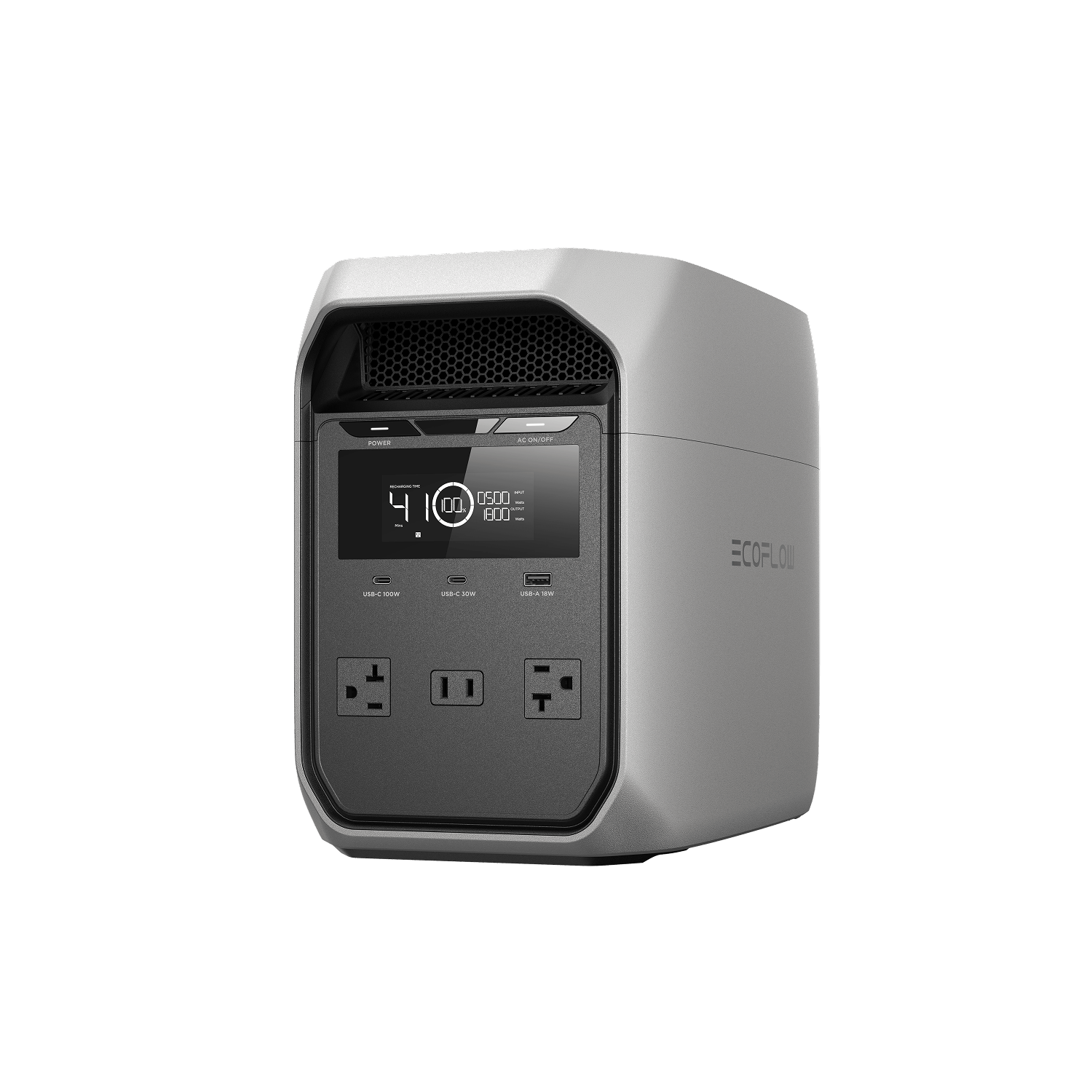
DELTA 3 Classic Portable Power Station (1024Wh)
EcoFlow · $499
Buyers who want headroom under $1,000 to also budget for a solar panel or add-on battery
What We Like
- Lowest price in this comparison at $499, well under the $1,000 ceiling
- 1800W continuous is high for its price point
Could Be Better
- 1024Wh is half the capacity of the DELTA 3 Max, S2000, or C2000 Gen 2
- Live price of $499 was well below the previously seen $529 sale price -- confirm at checkout
Key Specs
The cheapest entry point in this tier, at half the capacity of the other four.
See price at EcoFlow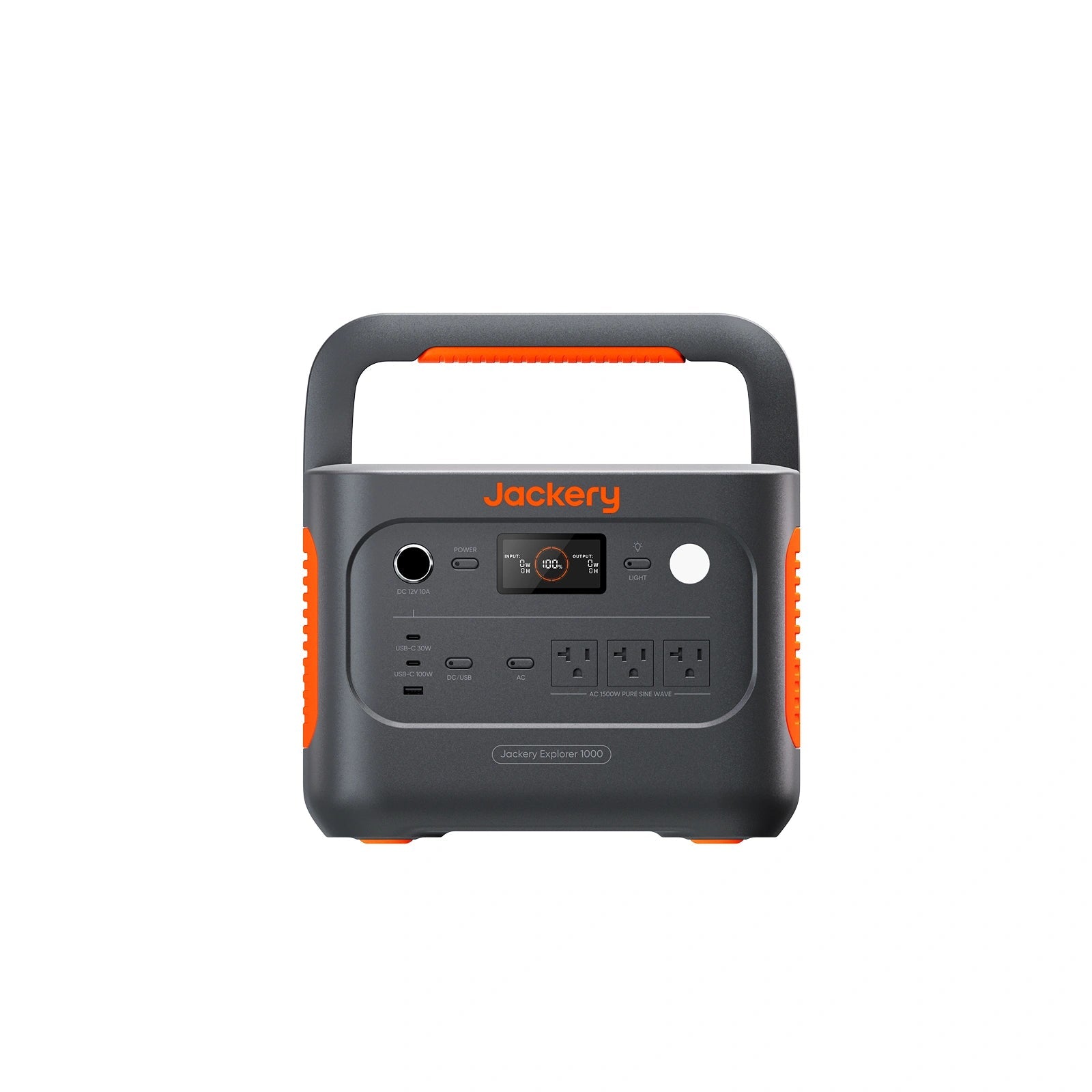
Jackery Explorer 1000 v2 Portable Power Station
Jackery · $499
Buyers who want the most capacity at the $500 price point inside this $1,000 comparison
What We Like
- 1500W continuous at $499, a strong output-per-dollar ratio
- Slightly more capacity than the DELTA 3 Classic at the same price
Could Be Better
- Still half the capacity of the ~2kWh units in this tier
Key Specs
A strong budget option if you don't need the full ~2kWh capacity of the pricier picks.
See price at JackeryProduct Comparison
| Product | Price | Rating | Reviews | Best For | Buy |
|---|---|---|---|---|---|
| DELTA 3 Max Series Portable Power Station (2048Wh) EcoFlow | $899 | 4.5 | — | Buyers who want the highest continuous wattage under $1,000 | EcoFlow |
| Anker SOLIX S2000 Portable Power Station Anker SOLIX | $649.99 | 4.5 | — | Buyers who want the lowest price for ~2kWh of capacity and don't need to expand later | Anker SOLIX |
| Anker SOLIX C2000 Gen 2 Portable Power Station Anker SOLIX | $999.99 | 4.5 | — | Buyers who want Anker's ecosystem plus expandability at the top of the under-$1,000 band | Anker SOLIX |
| DELTA 3 Classic Portable Power Station (1024Wh) EcoFlow | $499 | 4.5 | — | Buyers who want headroom under $1,000 to also budget for a solar panel or add-on battery | EcoFlow |
| Jackery Explorer 1000 v2 Portable Power Station Jackery | $499 | 4.5 | — | Buyers who want the most capacity at the $500 price point inside this $1,000 comparison | Jackery |
Get price-drop alerts and new guides from Outage Power Guide
One email a week: price drops on the gear we recommend, new guides, and what changed. No spam, unsubscribe anytime.